


Cooking Odors in Maine Homes: A Common, Overlooked Problem
From coastal seafood dishes to rich, spice-heavy home cooking, Maine kitchens work hard—and they hold onto smells longer than most people expect.
Homeowners, landlords, and short-term rental managers across Maine often call Maine OdorPros after discovering that no amount of cleaning removes lingering kitchen odors. That’s because these smells aren’t just “in the air.” They’ve bonded to the building itself.
This is especially common in:
• Older Maine homes
• Waterfront and coastal properties
• Multi-unit housing and apartments
• Vacation rentals and Airbnb properties
Why Cooking Smells Linger Longer in Maine
Maine’s environment plays a major role in persistent kitchen odors.
1. Humidity Reactivates Odors
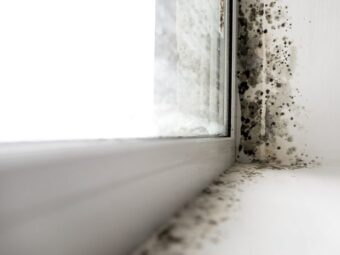
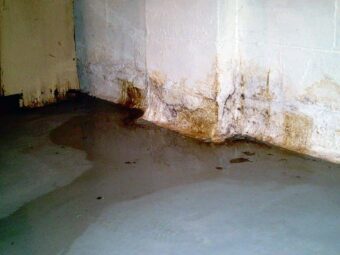
Seasonal humidity causes odor molecules trapped in grease and porous materials to re-release into the air—making smells seem like they “come back” after disappearing.
2. Older Construction Materials
Many Maine homes contain plaster, wood, and layered paint systems that absorb grease and odors more deeply than modern materials.
3. Seafood & High-Heat Cooking
Fish oils, shellfish proteins, and spice blends common in Maine kitchens create stronger volatile organic compounds (VOCs) that are harder to neutralize.
Also Read 👉🏼Why Do Cooking Smells Linger and When Is Odor Removal Needed?
Where Cooking Odors Hide (and Why You Can’t Smell the Source)
In Maine kitchens, odor sources are often hidden in places homeowners don’t think to clean:
• Behind and above cabinets
• On textured ceilings
• Inside range hoods and ductwork
• In grout, wood trim, and subflooring
• In adjacent rooms via HVAC circulation
Grease acts like an odor sponge. Once saturated, it slowly releases smells—especially during warm or damp weather.
Why DIY Cleaning Doesn’t Work for Persistent Kitchen Odors
Standard cleaning methods remove surface grease, but they do not neutralize odor molecules embedded in materials.
• Air fresheners mask odors temporarily
• Vinegar and baking soda only affect mild surface smells
• Painting without odor treatment traps smells underneath
• Charcoal filters and air purifiers don’t reach bonded residues
This is why Maine residents often notice odors returning days or weeks later.
Also Read 👉🏼What Real Odor Neutralization Looks Like | Maine Odor Pros
When Professional Odor Removal Is Necessary in Maine
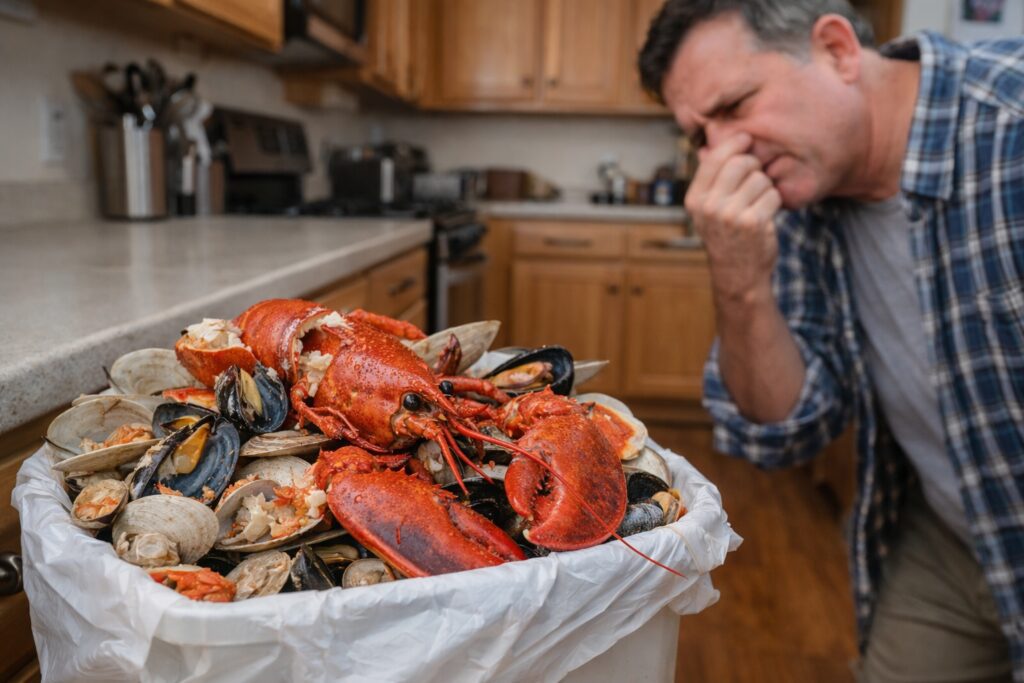
Maine OdorPros is typically called when:
• Fish or grease odors persist after deep cleaning
• Kitchens smell rancid, sour, or “stale”
• Odors intensify during humid weather
• Smells spread into living rooms or bedrooms
• Rental turnovers fail odor inspections
• Homes are being prepared for sale or vacation rental
At this stage, the odor source is no longer airborne—it’s structural.
How Professional Kitchen Odor Removal Works
Professional odor remediation targets the molecular source, not the scent.
Maine OdorPros uses advanced odor removal processes designed to:
• Break down grease-bound odor compounds
• Treat porous surfaces safely and effectively
• Neutralize odors in ventilation systems
• Restore indoor air quality permanently
This approach is especially effective for older Maine homes and coastal properties where odors tend to linger longer.
Why Lingering Kitchen Odors Matter for Maine Property Owners
Unresolved cooking odors can lead to:
• Reduced property value
• Guest complaints in short-term rentals
• Tenant turnover
• Failed inspections or showings
• Poor indoor air quality
In Maine’s competitive housing and rental market, odor issues are more than an inconvenience—they’re a liability.
The Bottom Line: Odor Removal Is a Science, Not a Spray
If yesterday’s meal is still haunting your kitchen, the problem isn’t your cleaning routine. It’s chemistry—combined with Maine’s climate and building characteristics.
Professional odor removal eliminates the source permanently, restoring kitchens to a clean, neutral state that smells like nothing at all—which is exactly the goal.
Maine Odor Removal FAQs
1. Why do cooking smells last longer in Maine homes?
Humidity and porous building materials cause odors to reappear over time.
2. Can professional odor removal eliminate fish smells?
Yes. Proper treatment neutralizes fish oils and protein-based odors at the molecular level.
3. Are kitchen odors common in Maine rental properties?
Very common, especially between tenants with different cooking habits.
4. Does repainting remove kitchen odors?
Not unless odors are neutralized first—otherwise they bleed through.
5. Can grease odors affect indoor air quality?
Yes. Persistent odors indicate ongoing VOC release.
6. Are coastal homes more prone to lingering odors?
Yes. Moisture and salt air exacerbate odor absorption and reactivation.
7. How long does professional odor removal take?
Most treatments are completed in hours, depending on severity.
8. Can odor removal help prepare a home for sale?
Absolutely. Neutral scent is critical for buyer perception.
9. Do air purifiers solve grease odor problems?
They help with air circulation but don’t remove embedded odor sources.
10. When should I call Maine OdorPros?
When cooking odors persist despite repeated cleaning or return regularly.