


What Realtors Need to Know: Odor Removal Before a House Sale
The Hidden Deal Breaker Most Listings Overlook
You can have perfect staging, fresh paint, and stunning photography… and still lose a buyer within seconds.
Why?
Because smell hits first—and it sticks.
Buyers may not always say it out loud, but odors trigger emotional reactions instantly. Whether it’s pet odor, cigarette smoke, mildew, or cooking residue, even a faint smell can:
- Make a home feel “unclean”
- Suggest hidden damage or neglect
- Create hesitation that kills urgency
- Lead to lower offers—or no offers at all
In today’s market, where buyers are more cautious and inspection-driven than ever, odor is no longer a minor issue—it’s a transaction risk.
Why Odor Matters More in Today’s Market

Modern buyers are:
- More health-conscious (post-pandemic awareness)
- More sensitive to indoor air quality
- More likely to walk away over “intangibles”
- Expecting true move-in-ready properties
Odor is often interpreted as:
- Mold or moisture issues
- Smoke contamination
- Pet damage in flooring or subfloor
- Poor ventilation or HVAC problems
Even if those assumptions aren’t fully accurate, perception becomes reality in real estate.
Real-World Scenario: The $25,000 Smell Problem
A well-maintained home hits the market in Maine. Great location, updated kitchen, strong comps.
But during showings:
- Buyers notice a faint pet odor
- Feedback mentions “something smells off”
- Offers come in low—or not at all
After sitting on the market for 45 days, the seller:
- Reduces price by $20,000
- Pays for last-minute odor treatment
- Finally sells below expectations
Same home, different outcome if odor was handled upfront.
Common Odors That Kill Deals

Realtors and sellers should watch for:
1. Pet Odor
- Urine absorbed into subfloor and padding
- Lingering dander and organic compounds
- Often worsens in humidity
2. Smoke Odor (Cigarettes, Cigars, Cannabis)
- Penetrates drywall, insulation, and HVAC systems
- Extremely difficult to mask—buyers recognize it immediately
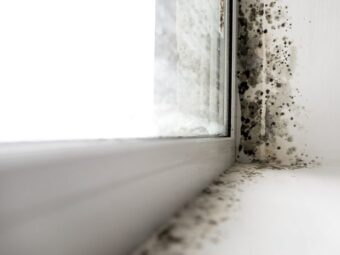
3. Musty or Mold-Related Smells
- Signals moisture problems or hidden mold
- Raises red flags during inspection
4. Cooking & Organic Odors
- Grease and food residues embedded in surfaces
- Especially strong in enclosed kitchens
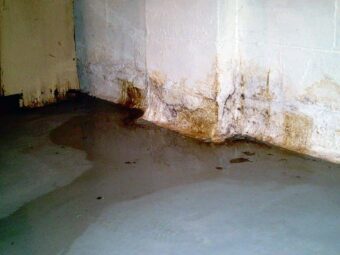
5. Basement or Crawlspace Odors
- Moisture + poor ventilation = persistent smell source
- Travels upward through the home
Why Masking Odors Backfires
Candles. Plug-ins. Sprays.
They don’t solve the problem—they expose it.
Buyers often interpret artificial fragrance as:
- An attempt to hide something
- A sign of a deeper issue
- A reason to dig harder during inspection
The result?
More skepticism, not less.
The Difference: Masking vs. True Odor Elimination
Professional odor removal focuses on:
- Identifying the source, not just the symptom
- Neutralizing odor at the molecular level
- Treating air, surfaces, and hidden materials
- Preventing odors from returning after closing
This isn’t cleaning—it’s environmental treatment and restoration.
Operational Impact for Realtors and Sellers
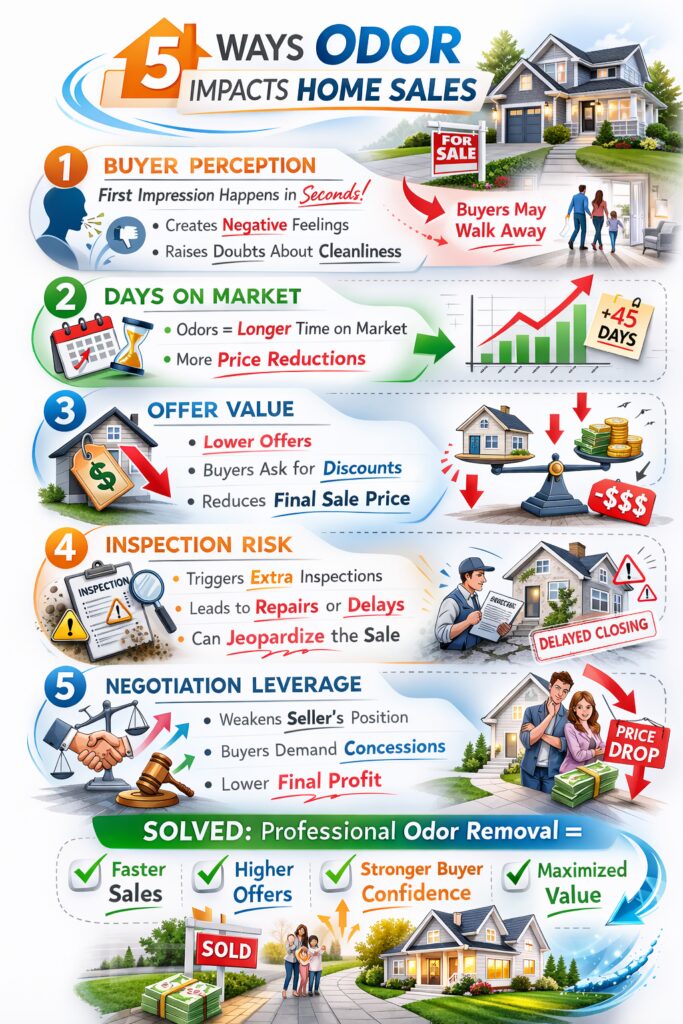
Addressing odor before listing directly impacts:
1. Days on Market
Clean-smelling homes:
- Show better
- Create stronger emotional connections
- Sell faster
2. Offer Strength
Buyers are more likely to:
- Submit higher offers
- Waive minor objections
- Compete in multiple-offer situations
3. Inspection Outcomes
Odor often triggers:
- Additional inspection scrutiny
- Requests for remediation credits
- Delayed closings
Eliminating odor early reduces these risks.
4. Negotiation Leverage
A fresh, neutral-smelling home:
- Positions the seller as proactive and transparent
- Removes easy negotiation points for buyers
When Should Odor Removal Happen?
Before listing. Always.
Ideal timeline:
- Pre-listing walkthrough identifies odor concerns
- Professional treatment scheduled before photography
- Home staged and marketed odor-free from day one
This ensures:
- First impressions are strong
- Online-to-in-person experience is consistent
- Buyers walk in confident—not cautious
How Maine OdorPros Supports Real Estate Success
For Maine-based realtors and sellers, professional odor removal services provide:
- Source-level odor identification
- Treatment of pet, smoke, musty, and organic odors
- Whole-home odor neutralization
- Support for pre-listing preparation
- Solutions aligned with real estate timelines
The goal is simple:
Remove uncertainty so buyers can focus on the home—not the smell.
Future-Proofing Insight: Where Real Estate Is Headed
Over the next 2–5 years, expect:
- Greater buyer scrutiny of indoor environments
- Increased importance of “move-in ready” standards
- More inspection attention on air quality indicators
- Higher expectations for transparency and property condition
Odor is becoming part of the invisible checklist buyers use to judge a home.
Realtors who adapt early will:
- Close faster
- Protect listing value
- Build stronger client trust
Conclusion: The Fastest Way to Lose a Buyer Is Through Their Nose
Odor is one of the few factors that can:
- Override visual appeal instantly
- Create doubt without visible evidence
- Kill deals before they start
The good news?
It’s also one of the most fixable problems—when handled correctly and early.
(FAQs)
1. Can odors really affect a home’s selling price?
Yes. Odors can lower perceived value, lead to reduced offers, or prevent offers altogether.
2. What smell is the biggest deal breaker for buyers?
Smoke and pet odors are the most commonly cited deal-breaking smells.
3. Do home inspectors check for odors?
While not always formal, odors often trigger deeper inspection into moisture, mold, or contamination.
4. Can I just clean the house instead of hiring a service?
Standard cleaning rarely removes embedded odor sources in materials like subflooring, drywall, or HVAC systems.
5. How long does professional odor removal take?
Many treatments can be completed within a day, depending on severity and home size.
6. Will buyers notice mild odors?
Yes. Buyers are highly sensitive to smell, especially during showings.
7. Does staging help hide odors?
No. Staging improves visuals but does not address odor sources.
8. Should odor removal be done before listing photos?
Absolutely. First impressions begin online and must match the in-person experience.
9. Can odors come back after treatment?
Not when properly treated at the source by professionals.
10. Is odor removal worth the investment before selling?
Yes—it can improve sale speed, price, and overall transaction success.