


How Can Landlords Identify Hidden Odor Problems Before New Tenants Move In?
Landlords and short-term rental owners can reduce vacancy delays, tenant complaints, and lease disputes by performing a structured pre-tenant odor inspection. Identifying pet urine, smoke, and mold-related odors before move-in allows property owners to address odor sources professionally and protect indoor air quality, property value, and tenant satisfaction—especially in Maine’s moisture-prone climate.
Odor Is a Risk Variable, Not a Cosmetic Issue
In rental housing, odor problems rarely announce themselves during a quick showing. They surface later—after occupancy—when humidity rises, heating systems cycle on, and daily living reactivates odor-causing compounds embedded in floors, walls, and air systems.
For landlords, property managers, and Airbnb hosts, unresolved odors are not minor inconveniences. They create measurable business risk:
- Delayed or canceled move-ins
- Shortened tenancies and early departures
- Negative short-term rental reviews
- Disputes over habitability
- Reputational damage that lingers longer than the odor itself
What makes odor particularly dangerous is that visual cleanliness is not predictive of odor performance. Fresh paint, new flooring, and aggressive cleaning often conceal—but do not remove—the underlying source.
A pre-tenant odor inspection is therefore not about aesthetics. It is an act of due diligence.
Also Read 👉🏼Why Air Fresheners Don’t Work & Can Make Odors Worse
Why Maine Rentals Are Especially Prone to Odor Recurrence
Maine’s environmental conditions amplify odor problems in ways landlords outside the region often underestimate.
Seasonal Humidity Swings
Odor compounds such as pet urine salts and smoke residues are hygroscopic—they absorb moisture. As humidity rises in spring and summer, these compounds re-emit odor even after months of dormancy.
Long Vacancy Periods
Seasonal rentals and winter vacancies allow odors to settle into porous materials without daily ventilation, making reactivation more intense when the unit is reoccupied.
Basements and Lower Levels
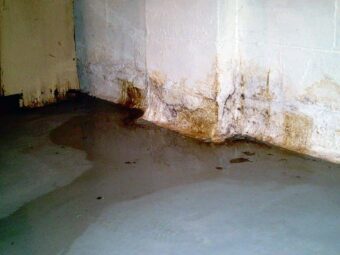
Many Maine properties include basements or slab-on-grade construction, where moisture intrusion, condensation, and microbial activity contribute to persistent musty odors even without visible mold.
Cold-Weather Sealing
Tightly sealed buildings designed for winter efficiency trap odor compounds indoors, increasing concentration once heating systems circulate air.
In short, a rental that “smells fine today” may not perform that way under real living conditions.
The Pre-Tenant Odor Inspection Checklist for Landlords and Airbnb Hosts
This checklist is designed to help property owners identify risk, not to diagnose or remediate. Detection precedes correction.
Step 1: Reset Your Senses Before Entering
Avoid inspecting immediately after cleaning, painting, or fragrance use. Step outside for several minutes, then re-enter. Odor detection relies on a neutral baseline.
Step 2: Inspect at Floor and Baseboard Level
Pet urine contamination concentrates low.
- Kneel near baseboards, corners, and door frames
- Focus on bedrooms, living areas, and prior pet confinement zones
- Pay attention to subtle ammonia-like or sour notes
Urine salts chemically bind to wood, concrete, and drywall. When moisture increases, odor returns—even years later.
Step 3: Evaluate Walls, Ceilings, and Enclosed Spaces for Smoke
Smoke odor does not remain airborne; it adsorbs to surfaces.
- Run a clean hand along walls and smell afterward
- Inspect ceilings near light fixtures
- Open closets, cabinets, and drawers
Tobacco and cannabis smoke residues often bleed through paint and resist conventional cleaning.
Step 4: Assess Basements, Utility Rooms, and Storage Areas
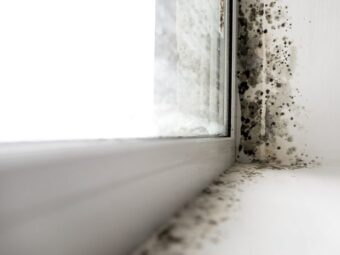
Musty odors often indicate microbial activity rather than visible mold.
- Smell near floor drains and sump systems
- Check behind stored materials
- Inspect unfinished areas carefully
Microbial volatile organic compounds (MVOCs) can persist even after moisture events have passed.
Step 5: Activate HVAC and Ventilation Systems
Odors travel through air handling.
- Turn on heating or cooling
- Smell near supply and return vents
- Check filters and duct access points
If odor is present in HVAC components, it will redistribute throughout the unit during occupancy.
Step 6: Look for Pattern Signals, Not Single Clues
A history of pets, smoking, water intrusion, or long vacancy increases odor probability even if no single area seems severe.
Odor problems are cumulative, not isolated.
Also Read 👉🏼What Real Odor Neutralization Looks Like | Maine Odor Pros
Why Masking Odors Creates Long-Term Liability
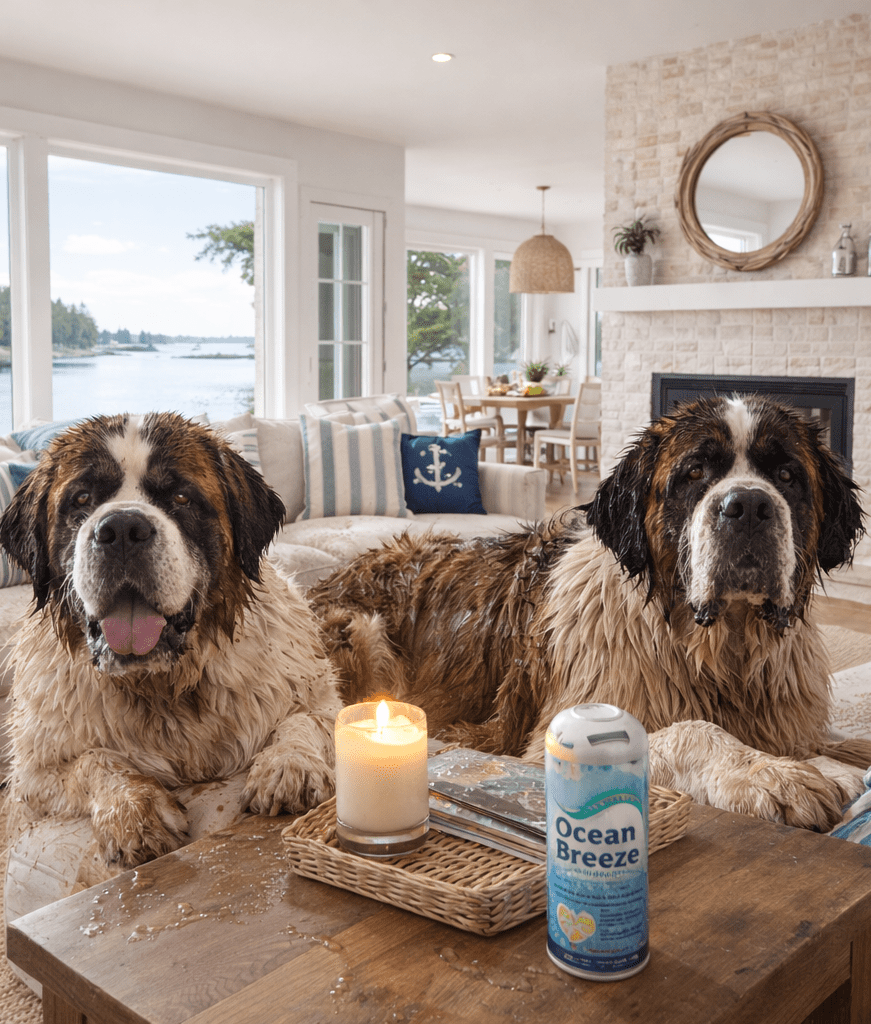
Air fresheners, ozone machines, and odor-blocking primers may temporarily suppress smell, but they do not eliminate odor-causing compounds.
This approach fails because:
- Odor sources remain chemically intact
- Moisture and heat reactivate compounds
- Tenants experience odor under real living conditions
- Disputes arise after move-in, not before
From a risk perspective, masking increases exposure. It replaces uncertainty with delayed certainty—and delayed certainty is expensive.
When Professional Odor Assessment Becomes the Prudent Choice
Professional odor evaluation is most valuable when:
- A property previously housed pets or smokers
- A tenant complained about odor before vacating
- The unit was vacant through seasonal transitions
- The property operates as a short-term rental
- The landlord wants documented due diligence
Professional assessment focuses on source identification, not cosmetic correction. It informs decision-making before occupancy, when solutions are least disruptive and most cost-effective.
How Maine OdorPros Supports Pre-Tenant Odor Due Diligence
Maine OdorPros provides statewide odor inspection and remediation services designed to address odor at its source rather than mask symptoms.
Their work supports landlords and Airbnb hosts by:
- Identifying embedded odor sources in structures and air
- Addressing pet urine, smoke, mold, and musty odors
- Treating surfaces, materials, and indoor air together
- Reducing odor reactivation risk under occupied conditions
- Supporting healthier indoor air quality for incoming tenants
By engaging odor professionals before move-in, property owners reduce uncertainty, protect asset value, and avoid post-occupancy conflict.
Odor Inspection Is Asset Protection, Not Overkill
Landlords routinely document condition, test alarms, and verify utilities. Odor inspection belongs in the same category.
A rental can be visually flawless and operationally defective if odor performance fails. Tenants do not forget smells—and neither do online reviews.
Odor due diligence protects income, reputation, and long-term property value.
(FAQs)
1. Can pet urine odors come back after cleaning?
Yes. Urine salts can remain in subfloors and walls and re-emit odor when humidity increases.
2. Why do smoke odors linger even after painting?
Smoke particles chemically bond to surfaces and often bleed through paint without proper neutralization.
3. Are musty smells always mold?
Not always, but musty odors often indicate microbial activity or past moisture problems.
4. Can HVAC systems spread odors through a rental?
Yes. Contaminated ductwork can redistribute odors throughout a property once systems run.
5. Do air fresheners solve odor problems?
No. They mask odors temporarily without removing the source.
6. When should landlords test for odors during turnover?
After cleaning but before move-in, ideally when the unit has been closed up for several hours.
7. Can odors affect tenant health?
Some odors are linked to poor indoor air quality and respiratory irritation.
8. Are odor complaints a valid lease issue?
They can be, especially if tied to habitability or undisclosed conditions.
9. Is professional odor removal permanent?
When source materials are properly treated, results are long-lasting.
10. Why is odor inspection important for Airbnb properties?
Short-term guests are less tolerant of odors, and reviews can suffer immediately.