


When Odor Is More Than Just Smell: How Odors Reveal Hidden Damage
Persistent odors are rarely just a nuisance. They are often early warning signals of hidden problems such as mold growth, moisture intrusion, pest activity, or bacterial contamination. Identifying and addressing odor sources early can prevent structural damage, health risks, and costly remediation.
The Science of Smell: Why Odors Matter More Than You Think
Smell is the most ancient of the human senses, wired directly to the brain’s limbic system—the region that governs memory and survival instincts. This isn’t accidental. Long before moisture meters or infrared cameras existed, humans relied on odor detection to avoid danger.
In modern buildings, persistent odors serve the same evolutionary function. They signal chemical reactions, microbial activity, or biological decay occurring out of sight. When an odor lingers despite cleaning, ventilation, or deodorization, it is almost always a symptom—not the problem itself.
Masking smells treats the messenger, not the message.
Odor vs. Air Freshener: The Critical Misunderstanding
Many property owners mistakenly believe odors originate from poor housekeeping. In reality, recurring odors usually indicate one or more of the following underlying conditions:
• Excess moisture trapped in building materials
• Microbial growth (mold or bacteria)
• Rodent or insect nesting and waste
• Sewer gas or plumbing breaches
• Decomposition of organic matter within walls or floors
Air fresheners may temporarily neutralize scent molecules, but they do nothing to stop the biological or chemical processes producing them. In some cases, masking odors allows damage to progress unnoticed for months or years.
Mold Odors: The Smell of Microbial Metabolism
What Mold Smells Like—and Why
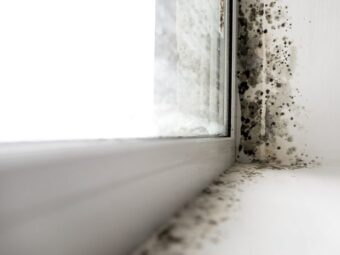
Mold produces microbial volatile organic compounds (mVOCs) as it metabolizes organic material. These gases are responsible for the familiar musty, earthy, or damp basement smell.
Common mold-associated odor descriptors include:
• Musty or old books
• Wet cardboard
• Earthy or soil-like
• Slightly sweet or sour
These odors often appear before visible mold, making smell one of the earliest detection tools available.
Where Mold Odors Hide
Mold rarely grows in open air. It thrives in concealed environments such as:
• Behind drywall
• Under flooring
• Inside HVAC systems
• Within insulation
• Beneath sinks or behind appliances
If a space smells damp even after drying, mold activity is likely ongoing.
Moisture Intrusion: The Root Cause Behind Many Odors
Water Is the Catalyst
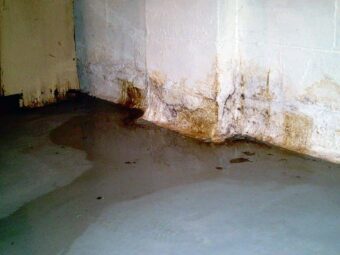
Moisture is the common denominator behind most structural odor issues. Even small, chronic water intrusions can initiate a chain reaction:
Water intrusion → material saturation → microbial growth → odor production → structural decay
Sources of hidden moisture often include:
• Slow plumbing leaks
• Roof flashing failures
• Foundation seepage
• Condensation in HVAC systems
• Improper drainage or grading
Because moisture migrates, odors may appear far from the original water source, making diagnosis more complex.
Pest Odors: Biological Waste You Can Smell
Rodents Leave More Than Footprints
Rodent infestations often announce themselves through smell long before visual confirmation. Odors originate from:
• Urine (ammonia-like)
• Feces (musky, pungent)
• Nesting materials
• Decomposition of trapped animals
Rodent urine contains pheromones that persist and attract additional pests, compounding the problem.
Insects Have Odors Too
Cockroaches, ants, and other insects release aggregation pheromones that can produce:
• Oily or musty odors
• Sweet or stale smells
• Persistent “unclean” air quality
These odors intensify as infestations grow.
Bacterial Growth: When Clean Surfaces Still Smell
Not all odor-producing microbes are mold. Bacteria thrive in moist environments and produce sulfur compounds and organic acids that smell foul.
Common bacterial odor scenarios include:
• Slime buildup in drains
• HVAC condensate pans
• Garbage rooms or chutes
• Restroom wall cavities
• Commercial kitchens and food prep areas
Unlike mold, bacterial growth can occur rapidly—sometimes within 24–48 hours of moisture exposure.
Odors and Health: The Invisible Risk
Persistent odors are not merely unpleasant; they often correlate with indoor air quality issues.
Potential health effects include:
• Headaches and fatigue
• Respiratory irritation
• Allergic reactions
• Asthma exacerbation
• Nausea and dizziness
Children, elderly individuals, and immunocompromised occupants are particularly vulnerable. When occupants report symptoms alongside odors, investigation should be immediate.
Why Odors Return After “Cleaning”
Recurring odors indicate incomplete remediation. Common mistakes include:
• Treating surfaces but not materials
• Ignoring hidden moisture sources
• Using odor-masking products instead of removal
• Failing to address airflow and pressure imbalances
True odor resolution requires source elimination, not cosmetic treatment.
Professional Detection: Moving Beyond the Nose
Elite remediation professionals combine sensory detection with technology, including:
• Moisture mapping
• Infrared thermography
• Air sampling
• Surface testing
• Pressure diagnostics
These tools confirm what the nose suspects and locate problems before demolition becomes extensive.
The Cost of Ignoring Odors
Odors that persist typically worsen—and so do repair costs. What begins as a minor leak or pest intrusion can escalate into:
• Structural wood rot
• Widespread mold contamination
• Insulation failure
• HVAC system damage
• Regulatory or liability exposure
Early detection consistently results in lower remediation costs and reduced downtime.
The Future of Odor Diagnostics in Buildings
Emerging technologies are beginning to detect microbial gases electronically, allowing early warning systems for moisture and contamination. As regulations tighten around indoor air quality, odor diagnostics will play an increasing role in compliance, insurance underwriting, and property valuation.
Smell, once considered subjective, is becoming quantifiable science.
Conclusion: Trust Your Nose—But Verify with Science
Odors are never random. They are biochemical messages from your building, signaling imbalance, decay, or intrusion. When ignored, those messages grow louder—and more expensive.
The smartest response to persistent odor is curiosity, not cover-up. Investigate the cause, eliminate the source, and restore the environment before damage compounds.
In buildings, as in biology, symptoms exist for a reason.
FAQs
1. Can odors exist without visible mold?
Yes. Mold often grows inside walls or under floors where odors appear before visible signs.
2. Are musty smells always mold?
Most musty odors indicate microbial activity, though bacteria can also produce similar smells.
3. Why does odor get worse after rain?
Rain increases moisture intrusion and humidity, intensifying microbial gas release.
4. Can air fresheners fix odor problems?
No. Air fresheners mask smells but do not remove the underlying cause.
5. Do rodents always leave odor evidence?
Nearly always. Urine and nesting materials produce persistent odors.
6. Is odor a sign of poor indoor air quality?
Yes. Persistent odors often correlate with elevated pollutants or biological contaminants.
7. Can HVAC systems spread odors?
Yes. HVAC systems can distribute odors throughout a building.
8. How quickly can bacteria cause odor?
Bacterial odors can develop within 24–48 hours in moist environments.
9. Are odors a health risk?
They can be, especially when linked to mold, bacteria, or waste contamination.
10. Should persistent odors be professionally inspected?
Yes. Professional diagnostics prevent misidentification and escalating damage.